White Paras Stone

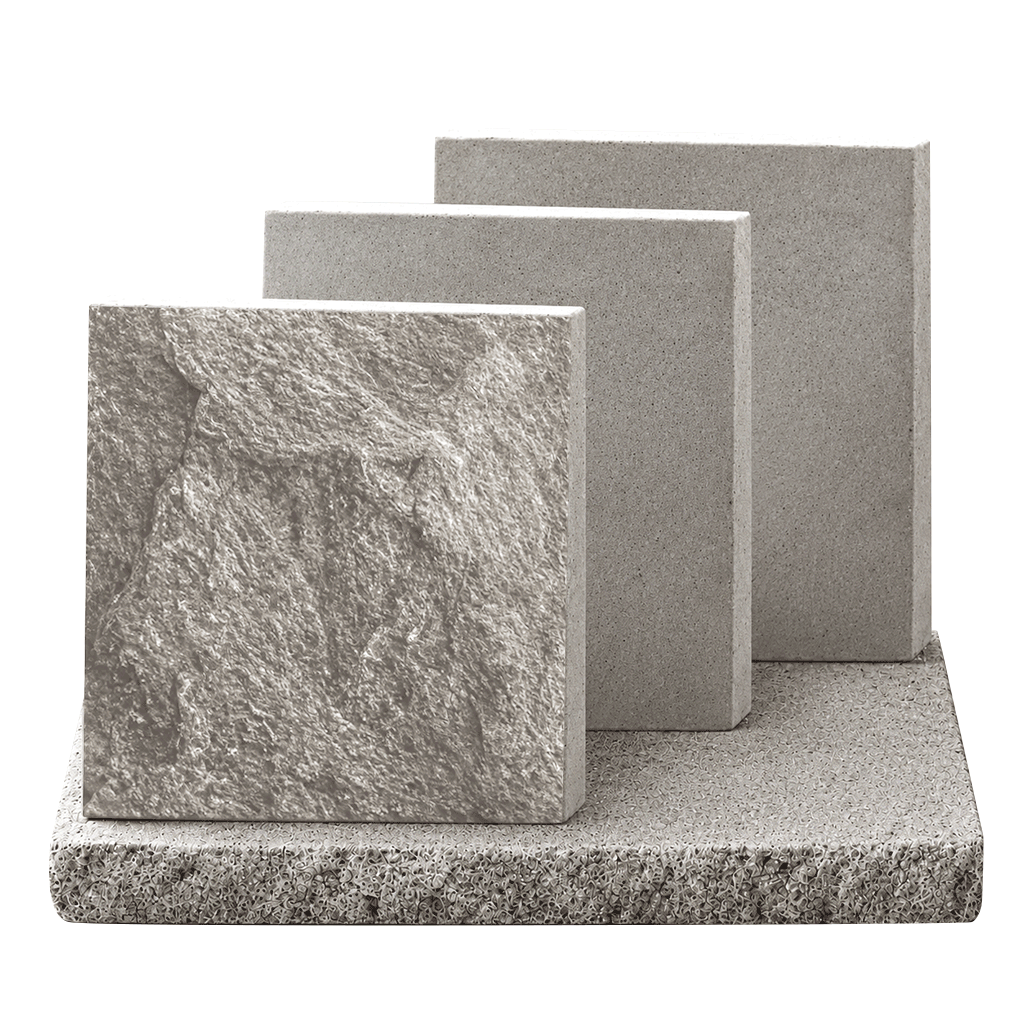
White Paras Stone, also known as Paras Jogja, is a natural stone native to Indonesia that originates from the Gunungkidul region of Yogyakarta. This stone was formed through the sedimentation of limestone over thousands of years, resulting in a stone with a distinctive soft white or cream color. Paras Jogja is very popular in the world of architecture due to its natural yet elegant appearance.

Product Characteristics

  • Color — Primarily white to light cream, giving a bright, clean, and natural look. The color may darken slightly with prolonged exposure to moisture.
  • Texture — Smooth to slightly porous (due to its limestone base). The surface can be finished to a smoother texture or left rough for a natural look.

The Benefits of Paras Stone

White Paras Stone offers a clean, luxurious, and elegant aesthetic thanks to its distinctive white or cream color, making it suitable for a variety of design styles, ranging from modern minimalist to classic and traditional. Its soft texture is another key advantage, as it facilitates carving, making this stone a popular choice for wall decorations, reliefs, and sculptures. Additionally, White Paras Stone tends to absorb heat more slowly than other materials, creating a cooling effect in the areas where it is used. This stone is also quite versatile, as it can be used in tropical climates, although it still requires extra protection in humid areas.

Type of finish

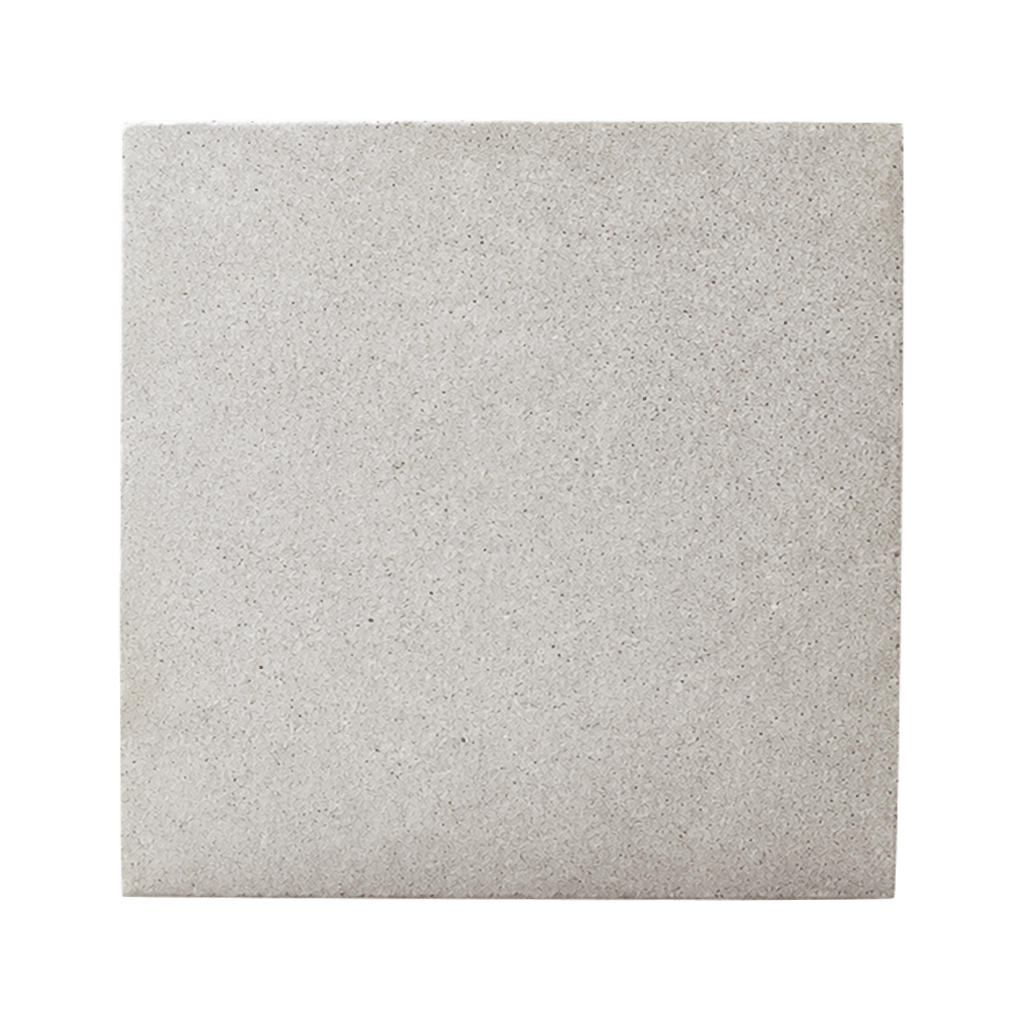
Sawn Cut: rough cut produced by a machine

A machine-cut finish with a clean, uniform appearance. Ideal for modern designs and precise installations.
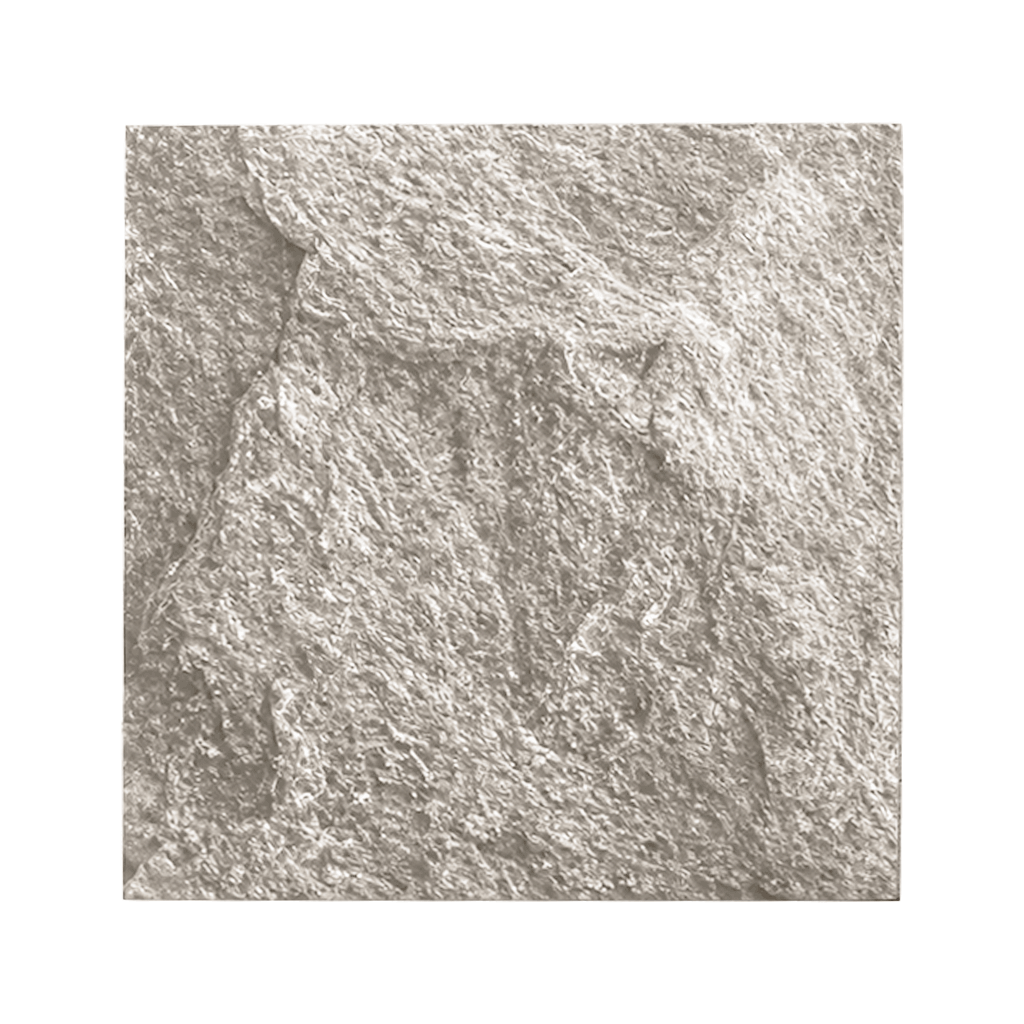
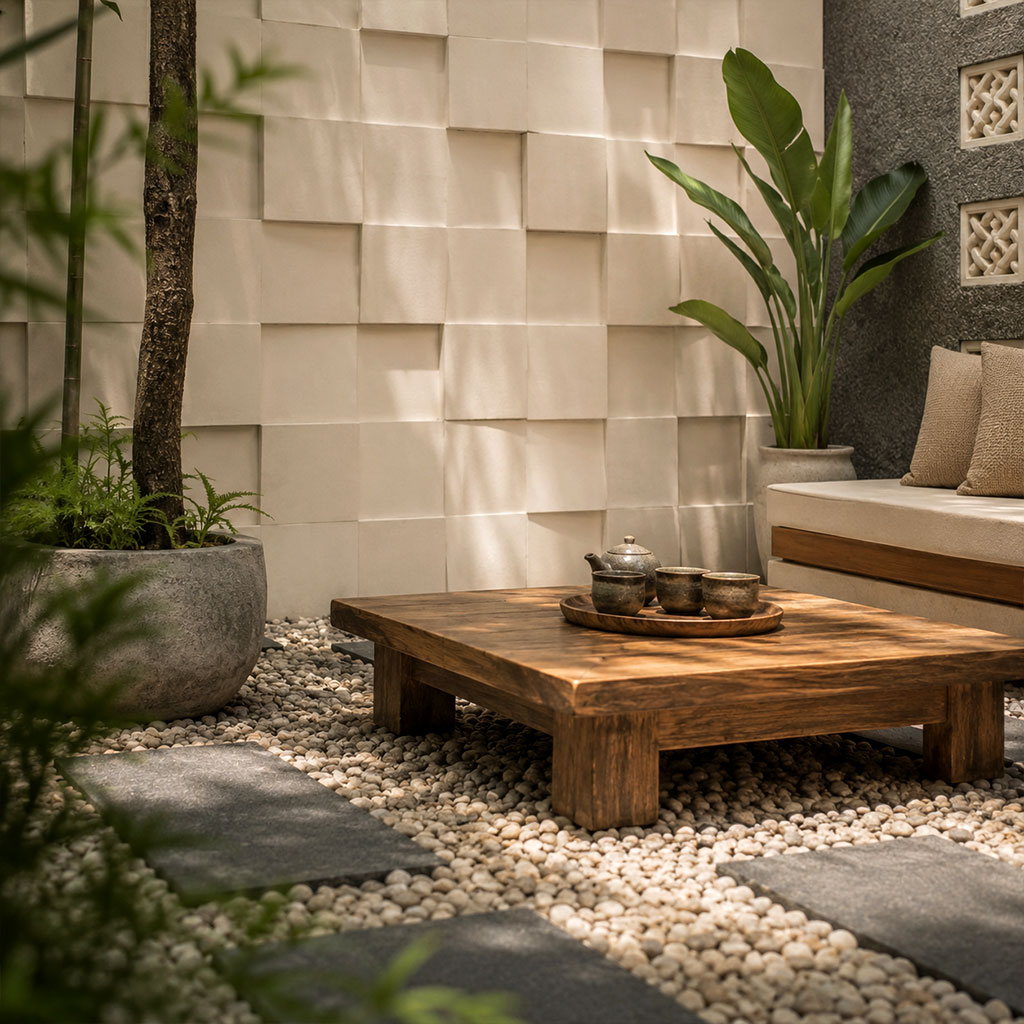
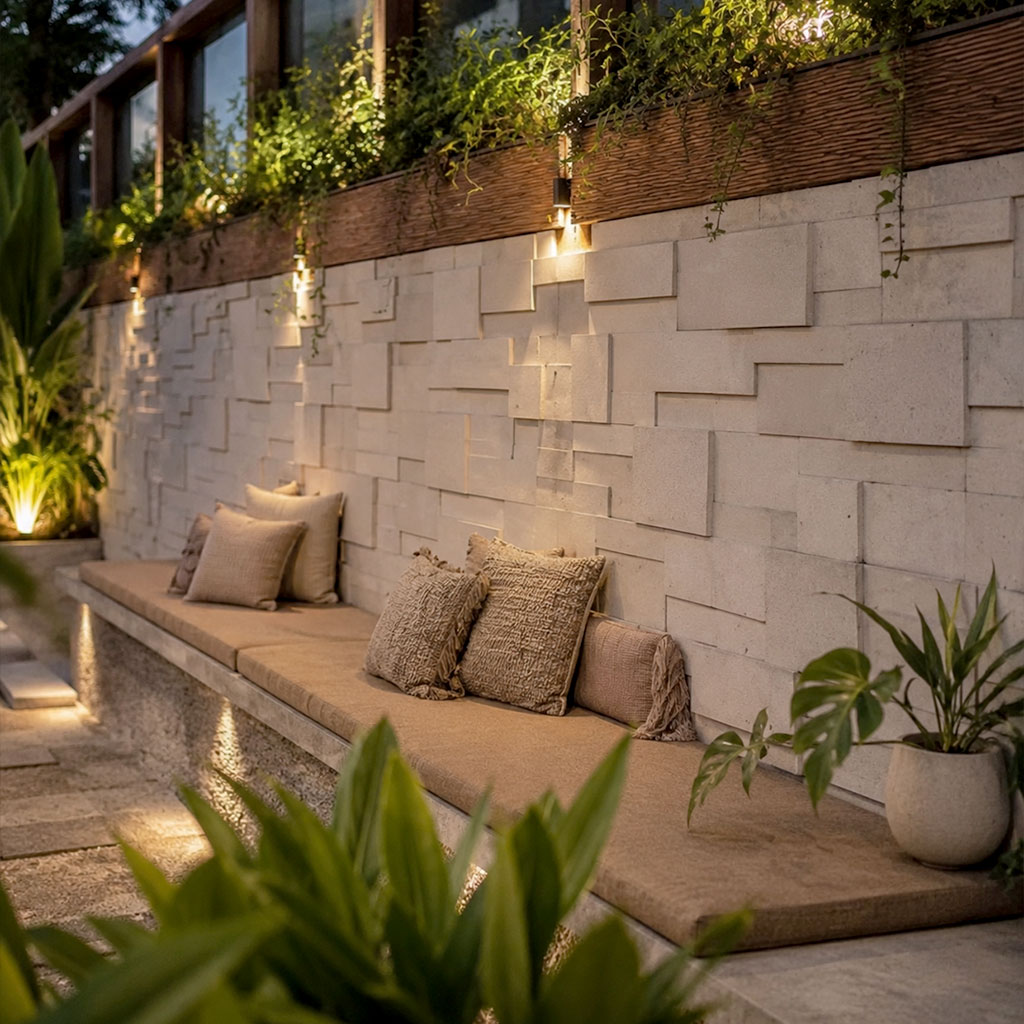
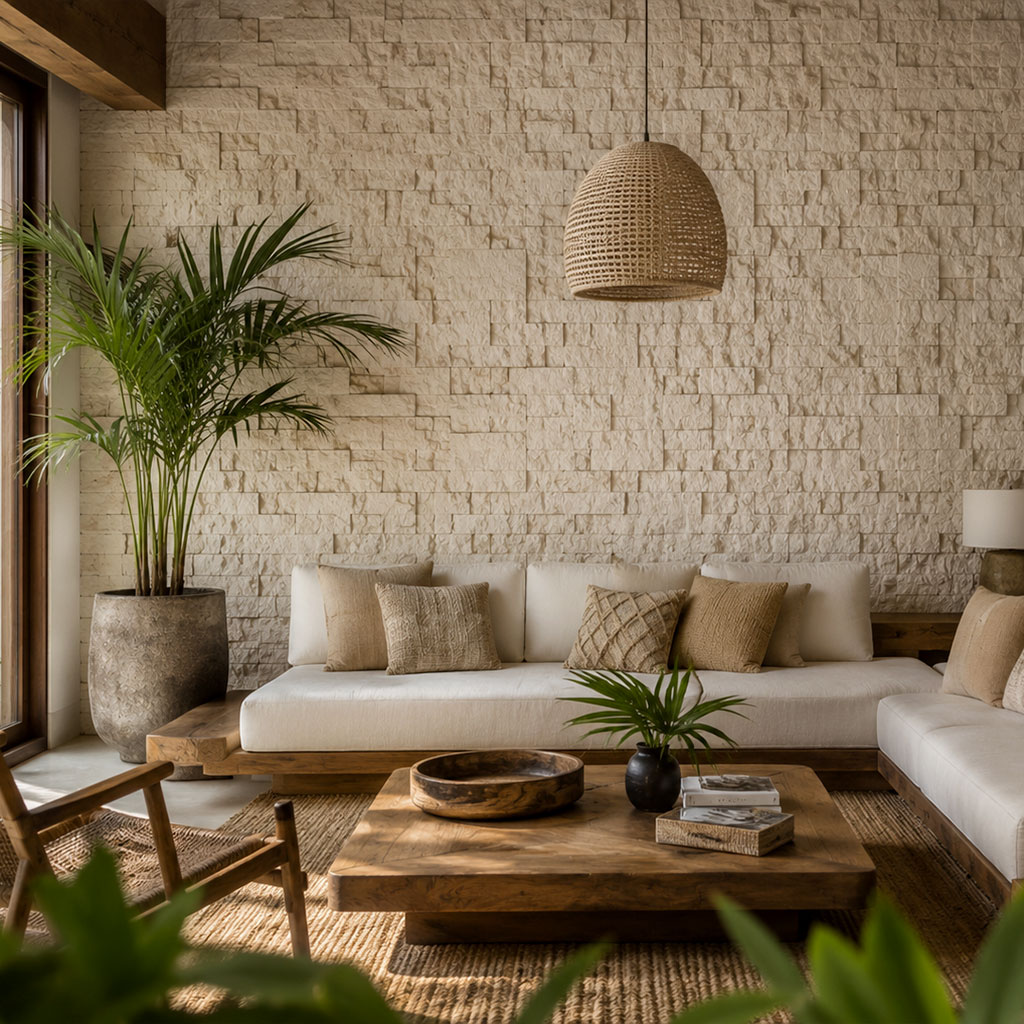
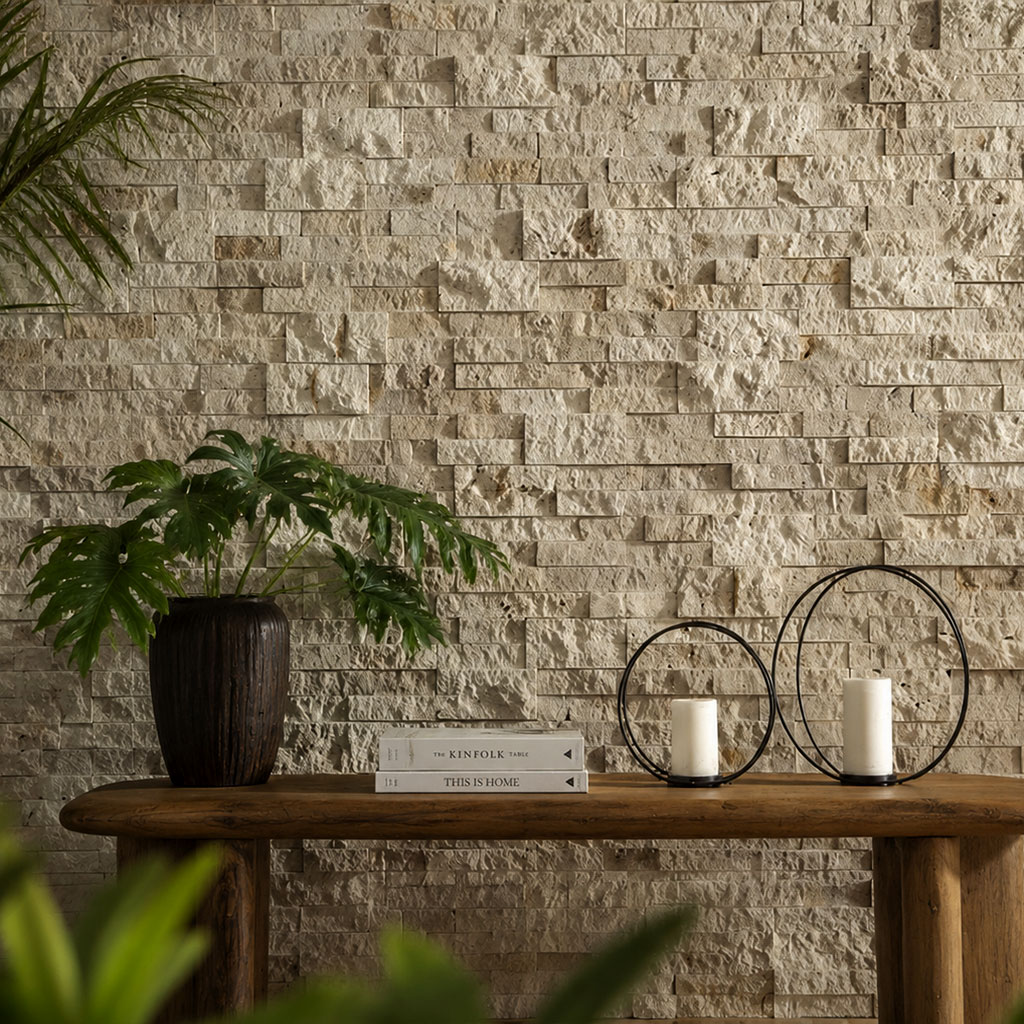
Rough Face: natural surface, commonly used for walls

An uneven surface with a thickness ranging from 1 to 3 cm. It is typically used on walls because it creates a very natural and exclusive look.
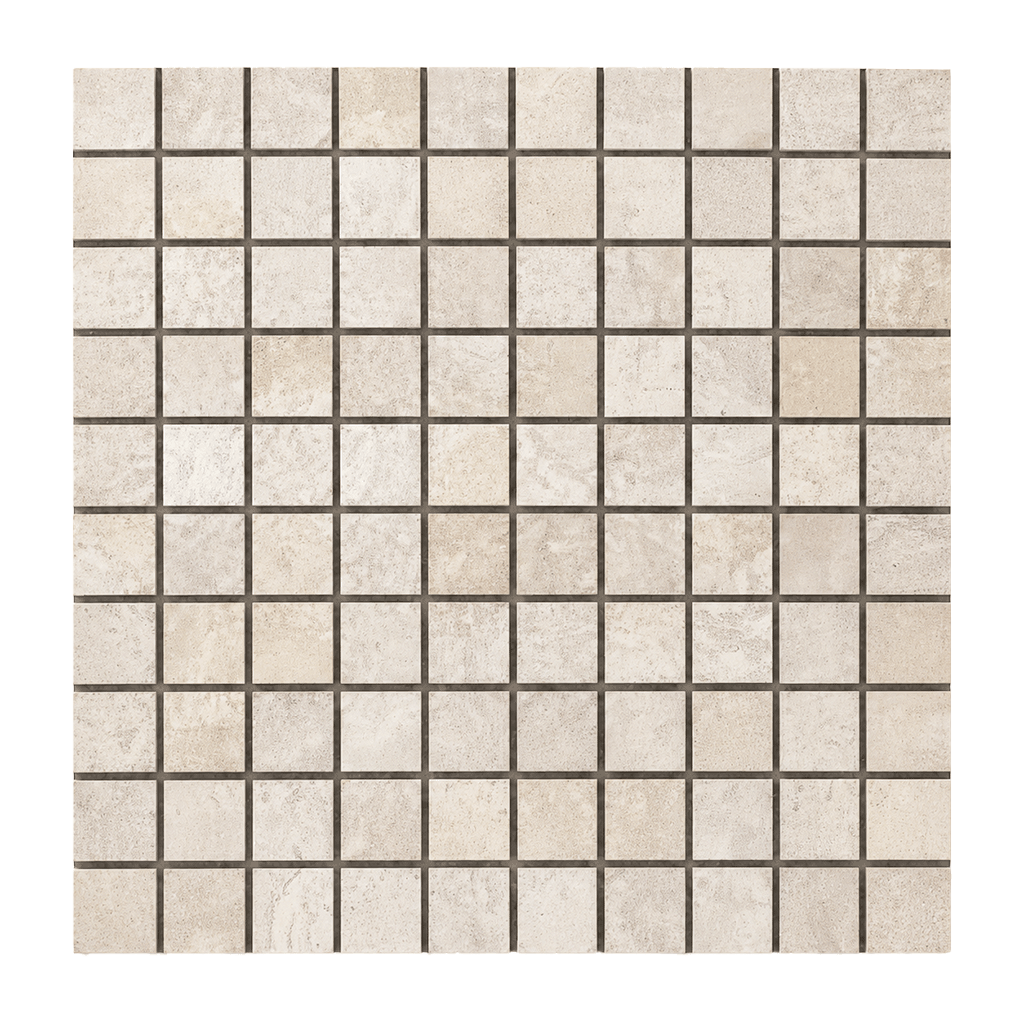
Mosaic: small tiles, perfect for decorative accents

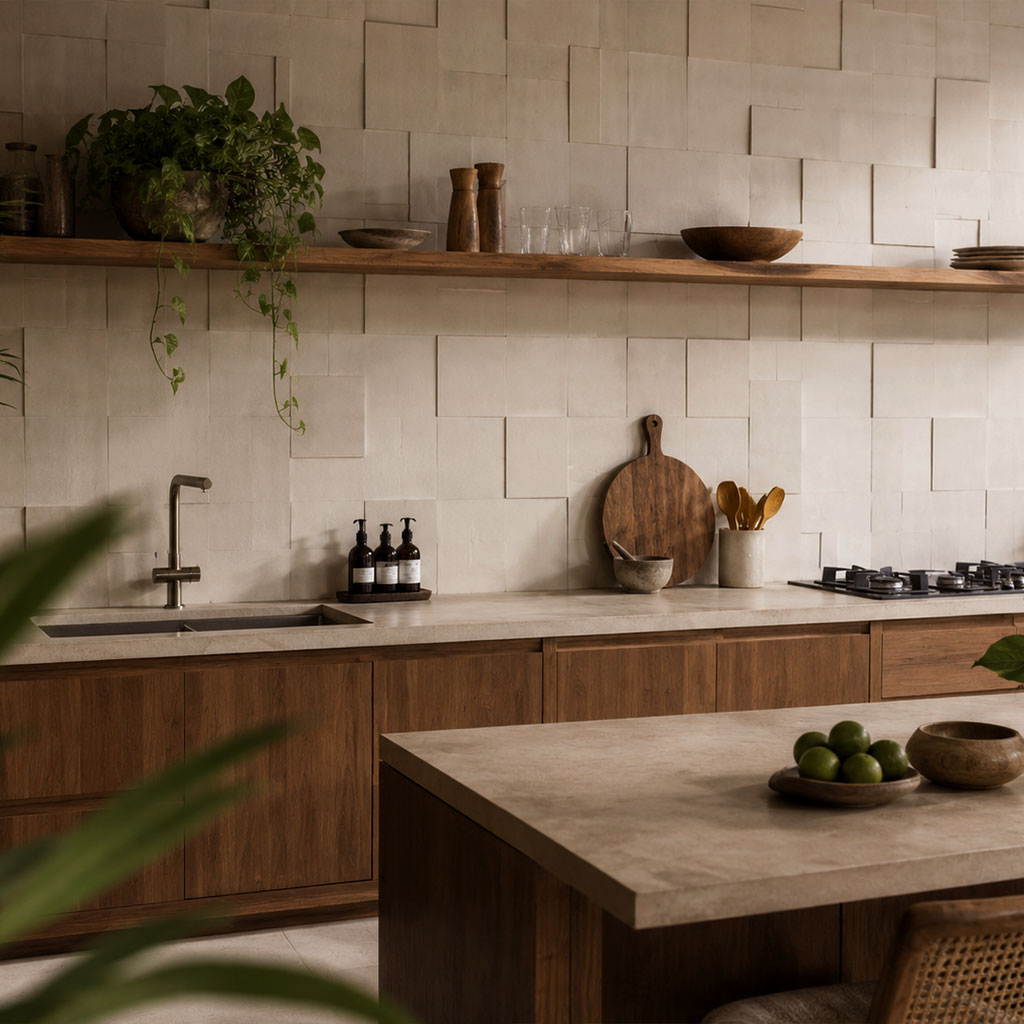
A surface made of small cut stone pieces arranged in a grid pattern. Ideal for swimming pool details, bathroom walls, shower areas, or decorative surfaces, adding texture, visual rhythm, and a more refined finish.
Available Size

  • 10 cm x 10 cm x 1 cm
  • 10 cm x 15 cm x 1 cm
  • 10 cm x 20 cm x 1 cm
  • 15 cm x 15 cm x 1 cm
  • 20 cm x 20 cm x 1 cm
  • 20 cm x 30 cm x 1 cm
  • 30 cm x 30 cm x 1 cm

Areas of Use / Applications

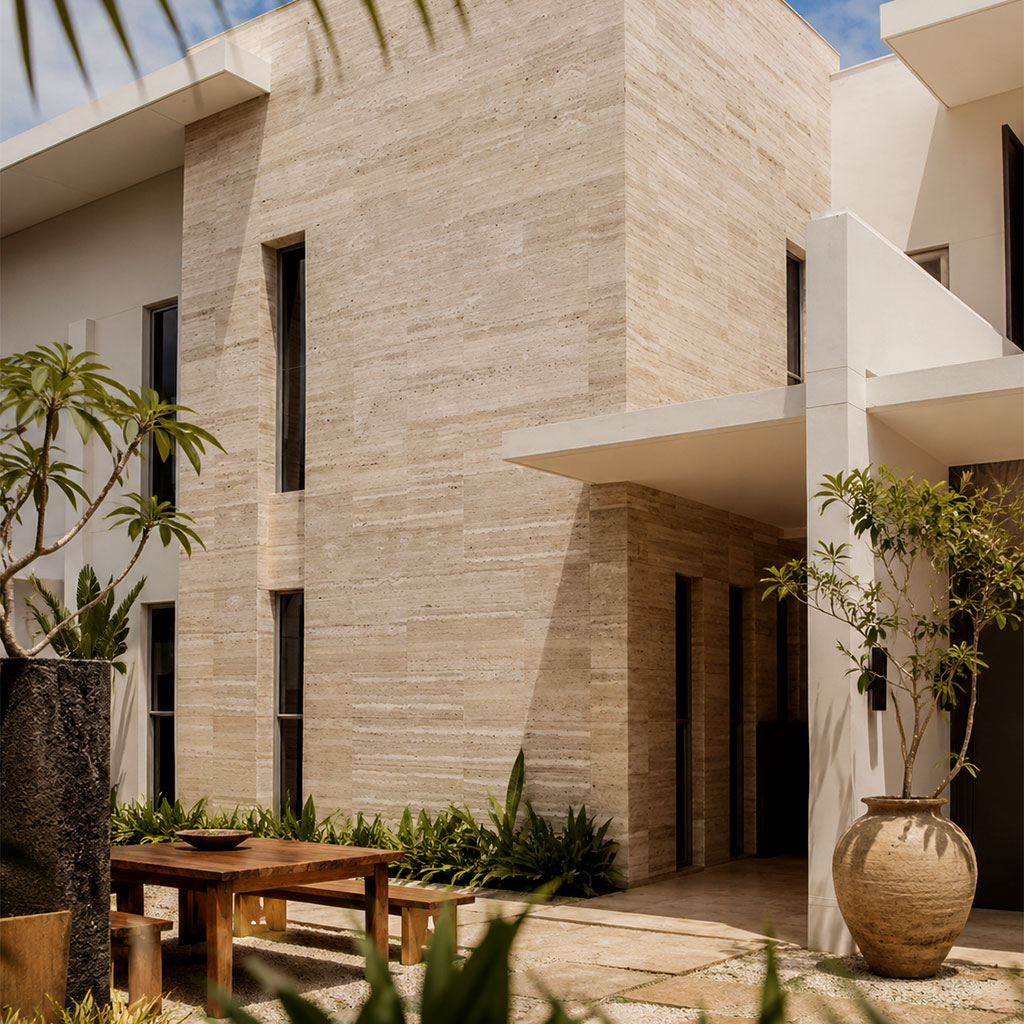
White Paras Stone can be widely used for both exterior and interior applications. For exteriors, this stone is often used for building facades, exterior walls of homes, villas, and hotels, as well as for fences designed to have a natural and artistic appearance. For interiors, White Paras Stone is suitable for use as decorative walls (feature walls), decorative pillars or columns, and even carvings and ornaments to enhance a room’s aesthetic. In gardens and landscaping, this stone can be used as decoration for wall fountains, paving, or walkways, as well as decorative elements around swimming pools or fish ponds. Additionally, its soft and malleable nature makes White Paras Stone the top choice for traditional-themed relief carvings, such as flora and fauna motifs, temples, or local cultural designs.

Disadvantages

Although it has many advantages, White Paras Stone also has several limitations that need to be considered. Its highly porous nature makes this stone prone to absorbing water, making it more susceptible to mold, mildew, and stains if not properly maintained. Therefore, this stone requires a protective coating or sealant as well as periodic cleaning to maintain its appearance. Additionally, White Paras Stone is less resistant to harsh chemicals or acidic substances that can damage its surface. Compared to harder stones like granite, it is also relatively softer, making it more prone to scratches or physical damage.

Paras Stone Applications

Scroll to Top